Source whitening korean skin care set for Anti Aging, Moisturizing, and Whitening
Find 30 whitening korean skin care set options from Guangdong suppliers offering OEM services. Compare features like Vitamin C, Hyaluronic Acid, and certifications including GMP, CE, and FDA for B2B sourcing needs.
Key considerations
Products List
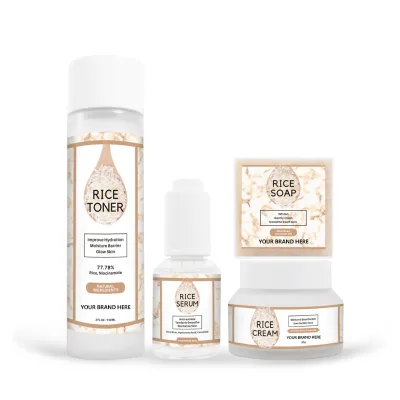
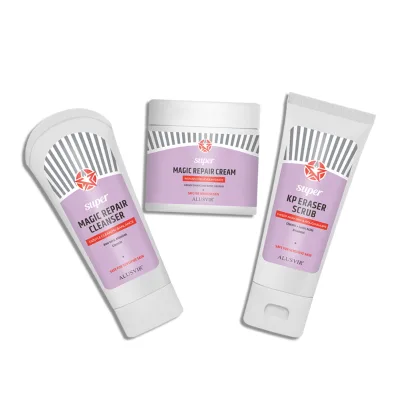

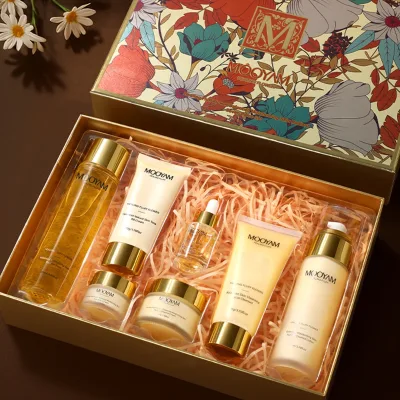
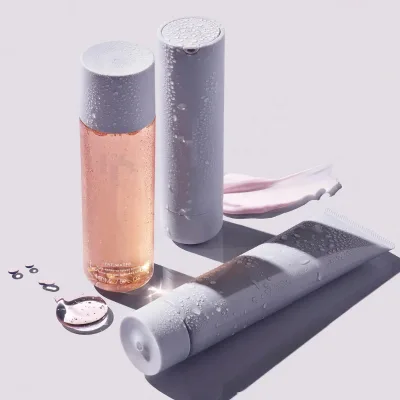




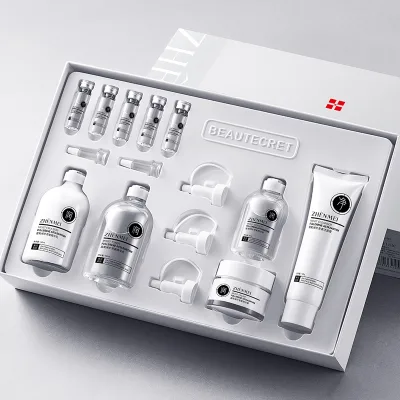
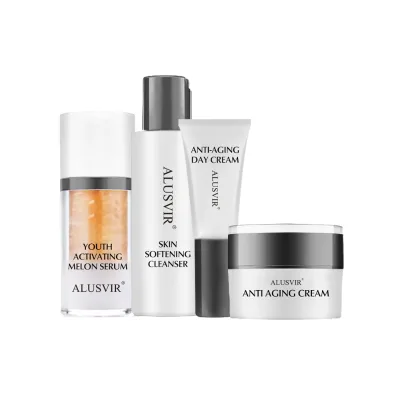
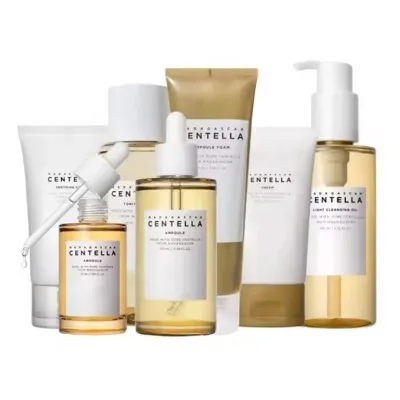
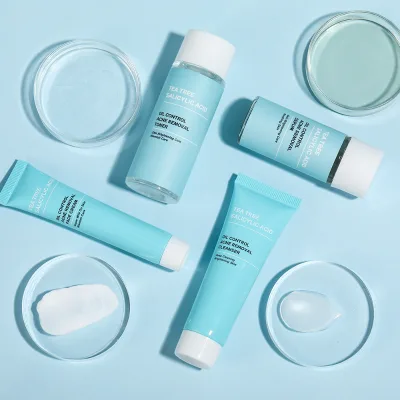



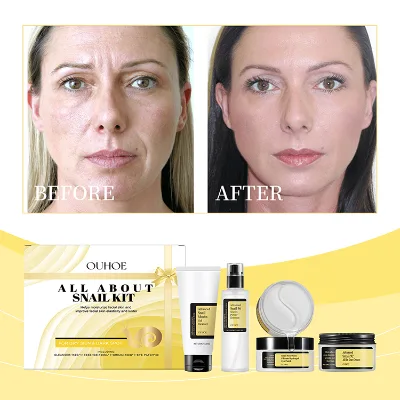
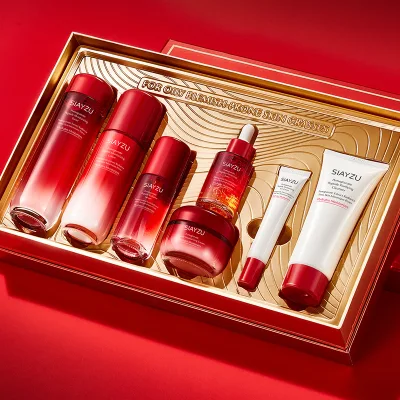
Comprehensive Sourcing Guide
Strategic Sourcing Guide for Whitening Korean-Inspired Skin Care Sets
The global demand for high-performance skin care solutions has elevated the profile of whitening and brightening formulations, particularly those inspired by Korean beauty standards. For B2B procurement professionals, sourcing a "whitening Korean skin care set" requires a nuanced approach that balances aesthetic expectations with rigorous supply chain verification. The market is characterized by a high degree of customization, where Original Equipment Manufacturer (OEM) and Original Design Manufacturer (ODM) capabilities are the primary drivers of product differentiation. Buyers must navigate a landscape where "Korean-style" often denotes a specific formulation philosophy—focusing on hydration, gentle exfoliation, and multi-step regimens—rather than a strict geographic mandate. This guide outlines the critical technical, compliance, and operational factors necessary to secure a reliable supply chain for these specialized cosmetic sets.
Technical Specifications and Formulation Architecture
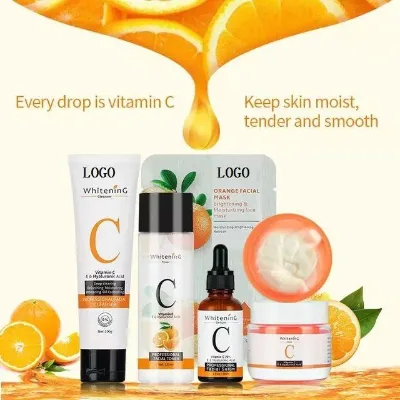
When evaluating potential suppliers for whitening skin care sets, the technical architecture of the product is the first point of due diligence. The core functionality of these sets relies heavily on specific active ingredients that target hyperpigmentation and skin tone evening. Based on current market observations, effective whitening formulations frequently utilize Vitamin C as a primary active component. This ingredient is widely recognized for its antioxidant properties and ability to inhibit melanin production. In addition to Vitamin C, successful sets often incorporate Hyaluronic Acid to maintain hydration levels, ensuring that the skin barrier remains intact during the brightening process.
The ingredient profile must also align with modern consumer preferences for safety and purity. A robust product specification should explicitly list attributes such as Sulfate-Free, Paraben-Free, and Cruelty-Free status. These claims are not merely marketing buzzwords but are essential for meeting the stringent requirements of international markets. Furthermore, the inclusion of herbal extracts, such as Green Tea or specialized botanicals like Healing Flower, adds a layer of differentiation that aligns with the "natural" aesthetic often associated with premium Korean-inspired brands. The formulation should also address multiple skin concerns simultaneously, offering features like exfoliation, pore shrinking, and anti-wrinkle benefits alongside the primary whitening function.
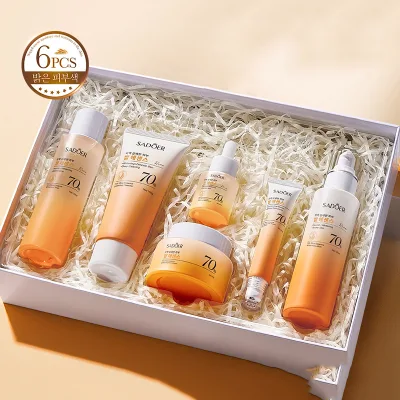
Packaging specifications are equally critical in defining the product's value proposition. The standard single package size for these sets typically ranges around 10x10x10 cm to 12x10x10 cm, accommodating a multi-item regimen. The gross weight is generally light, often around 0.150 kg per unit, which influences logistics costs and shipping efficiency. Buyers should verify that the packaging design supports the "Blank Package" or "Private Label" requirement, allowing for the application of customized logos and graphics through methods like hot stamping. The volume of the set is another variable; common configurations include 7 pieces per set, though this is often customizable to suit specific retail needs.
Compliance, Certification, and Regulatory Standards
Navigating the regulatory landscape is perhaps the most critical aspect of sourcing cosmetic sets for international distribution. Unlike general consumer goods, skin care products are subject to strict health and safety regulations in every target market. A compliant supplier must possess a valid Good Manufacturing Practice (GMP) certification, which ensures that the production environment meets hygiene and quality control standards. This certification is a baseline requirement for any reputable manufacturer in the region.
Beyond GMP, specific product certifications are often required to validate safety claims and facilitate entry into regulated markets. Buyers should verify the presence of CE marking for European markets, which indicates conformity with health, safety, and environmental protection standards. Additionally, FDA registration or compliance is essential for products destined for the United States, ensuring that the facility and processes meet Food and Drug Administration guidelines. For international logistics and safety data, Material Safety Data Sheets (MSDS) are mandatory documents that detail the chemical composition and handling requirements of the ingredients.
The shelf life of the product is another compliance-related specification that must be clearly defined. Standard industry practice for these types of skin care sets often cites a shelf life of 3 years, provided the product is stored under appropriate conditions. Buyers must ensure that the supplier can provide batch-specific testing results that confirm the product's stability and purity over this period. The claim of "100% Pure" ingredients, while common in marketing, requires verification through third-party testing to ensure that no unauthorized fillers or contaminants are present. The supplier's ability to provide documentation for these standards is a key indicator of their reliability and operational maturity.
Cost Drivers and Minimum Order Quantity Dynamics
Understanding the cost structure of whitening skin care sets is vital for budgeting and margin analysis. The observed price range for these products in the current market spans from approximately $1.22 to $24.99 USD. This wide variance is not indicative of quality differences alone but reflects the complexity of the formulation, the extent of customization, and the packaging materials used. A basic set with standard packaging and minimal customization will sit at the lower end of this spectrum, while a premium set with complex herbal extracts, advanced packaging, and extensive private labeling will command a higher price point.
The Minimum Order Quantity (MOQ) is a significant factor in the total cost of ownership. While some suppliers may offer trial orders with low MOQs, such as 16 sets, the standard industry expectation for full production runs often starts at 500 sets. For large-scale retail partnerships, MOQs can extend up to 3,000 sets. Buyers must balance the need for inventory flexibility with the economies of scale offered by larger orders. The volume of the set, such as a 7-piece configuration, also directly impacts the unit cost. Customization of the logo, graphic design, and packaging materials adds a layer of cost that must be factored into the final pricing model.
Furthermore, the service model plays a role in cost dynamics. Suppliers offering full OEM/ODM services, including formula development and private label creation, will typically have higher base costs compared to those offering standard white-label products. The availability of samples is a crucial cost-saving measure for buyers, allowing them to validate quality before committing to a large order. However, the cost of these samples should be clearly defined, as they are often charged separately from the bulk production run.
Supplier Evaluation and Operational Capabilities
Selecting the right supplier requires a deep dive into their operational capabilities and service offerings. The core keyword "whitening Korean skin care set" implies a need for a supplier who understands the specific nuances of Asian beauty trends while maintaining global quality standards. A primary indicator of a capable supplier is their willingness to engage in OEM and ODM partnerships. This flexibility allows buyers to tailor the product to their brand identity, from the specific blend of ingredients to the final packaging design.
The location of the manufacturing facility is a critical operational factor. Most high-quality suppliers for this category are based in Guangdong, China, specifically in regions like Guangzhou. This region is a global hub for cosmetic manufacturing, offering a mature ecosystem of raw material suppliers, packaging manufacturers, and logistics providers. The proximity to these resources ensures a streamlined supply chain and faster lead times. Buyers should verify the specific origin of the product, as "Guangdong" is a broad province, and specific cities may offer different advantages in terms of infrastructure and expertise.
Service capabilities extend beyond manufacturing to include customization options. Suppliers should offer customizable volumes, logos, and graphic designs to meet unique brand requirements. The ability to produce "Blank Package" products that can be branded later is a valuable service for buyers who prefer to manage their own branding strategy. Additionally, the supplier's experience with specific product types, such as "Rice Skin Care Sets" or "Oat Skin Care Sets," indicates a breadth of formulation expertise that can be leveraged for custom requests.
Quality Control and Product Verification
Implementing a robust quality control (QC) protocol is essential to ensure that the final product meets the buyer's expectations and regulatory requirements. The first line of defense is the verification of the supplier's certifications, including GMP, CE, FDA, and MSDS. These documents should be current and applicable to the specific production batch. Buyers should also request independent test results to verify the purity of the ingredients, particularly for claims regarding "100% Pure" or specific active concentrations like Vitamin C.
Visual and functional inspections are also necessary. The packaging should be free from defects, with clear labeling and secure sealing to prevent leakage or contamination. The product's physical attributes, such as the single package size and gross weight, should be measured against the agreed-upon specifications. For sets containing multiple items, such as a 7-piece regimen, each component must be inspected for completeness and functionality. The shelf life of the product, typically 3 years, must be clearly marked on the packaging, and the supplier should provide a certificate of analysis (COA) that confirms the product's stability over time.
Long-Term Procurement Considerations
Sourcing whitening skin care sets is not a one-time transaction but a long-term partnership that requires strategic planning. Buyers should consider the scalability of the supplier's operations to meet future demand growth. A supplier that can handle MOQs ranging from 500 to 3,000 sets offers the flexibility needed to scale up as the brand expands. Additionally, the supplier's ability to adapt to changing market trends, such as the increasing demand for organic or vegan formulations, is a key indicator of their long-term viability.
Sustainability and ethical sourcing are becoming increasingly important in the skin care industry. Buyers should evaluate the supplier's commitment to cruelty-free practices and the use of organic or herbal ingredients. These factors not only align with consumer values but also enhance the brand's reputation in the marketplace. The availability of samples for testing and the supplier's responsiveness to feedback are also critical for maintaining a healthy supply chain relationship.
Finally, buyers must consider the logistics and lead times associated with the procurement process. While specific lead times may vary, the supplier's location in Guangdong offers logistical advantages for international shipping. Buyers should establish clear communication channels and contract terms that define delivery schedules, payment terms, and dispute resolution mechanisms. By focusing on these long-term considerations, buyers can build a resilient supply chain that supports the growth and success of their whitening skin care brand.
Comparative Analysis of Product Attributes
To facilitate decision-making, the following table summarizes the key attributes observed in the current market for whitening skin care sets. This comparison highlights the variability in specifications and helps buyers identify the features most relevant to their specific needs.
| Attribute Category | Common Observation | Variability Notes |
|---|---|---|
| Primary Function | Whitening, Anti-Aging, Moisturizing | Some sets focus on Deep Cleansing or Revitalizing |
| Key Ingredients | Vitamin C, Hyaluronic Acid, Green Tea | Herbal extracts (Healing Flower) and Oat variants available |
| Safety Claims | Sulfate-Free, Paraben-Free, Cruelty-Free | Vegan and Organic options are common but not universal |
| Certifications | GMP, CE, FDA, MSDS | Specific certifications depend on target market |
| MOQ Range | 16 Sets to 3,000 Sets | 500 Sets is a common standard for bulk orders |
| Packaging Size | 10x10x10 cm to 12x10x10 cm | Customizable based on set volume (e.g., 7 pcs/set) |
| Shelf Life | 3 Years | Standard for most stable formulations |
| Origin | Guangdong, China (Guangzhou) | Specific city may vary within the province |
| Customization | Logo, Private Label, Volume | Full OEM/ODM services widely available |
This structured approach to sourcing ensures that buyers can make informed decisions based on verified data and industry standards, minimizing risk and maximizing the potential for success in the competitive skin care market.
FAQs
What certifications do whitening skin care sets typically hold?
Products often hold GMP, CE, FDA, and MSDS certifications. These ensure compliance with hygiene, safety, and environmental standards for international markets.
Which ingredients are common in whitening Korean skin care sets?
Vitamin C and Hyaluronic Acid are primary actives for brightening and hydration. Herbal extracts like Green Tea or Healing Flower are also frequently included.
Can I customize the logo and packaging for these sets?
Yes, OEM and ODM services are welcomed with customized private logos available. Buyers can specify blank packages or use hot stamping for graphic design.
What is the typical minimum order quantity for these sets?
MOQs vary from 16 sets for trials to 500 sets for standard production. Some suppliers may require up to 3000 sets for large-scale retail partnerships.
Where are these skin care sets typically manufactured?
Most high-quality sets originate from Guangdong, China, specifically Guangzhou. This region offers a mature ecosystem for cosmetic manufacturing and logistics.
How long is the shelf life of these skin care products?
The standard shelf life is typically 3 years when stored properly. Suppliers should provide batch-specific testing to confirm stability and purity over this period.